

All-Magnesium Alloy Drone
UAVs are shifting to fully metal structures, with magnesium alloy as a key solution.
-
UAV structures (e.g., ribs and skins) can be metalized using forming processes such as stamping and extrusion, improving efficiency and reducing costs.
-
However, replacing composites with 6061-T6 aluminum increases weight, reducing payload and efficiency. In contrast, magnesium alloy offers similar density to composites, enabling metal structures without significant weight penalties while lowering cost and improving production efficiency.
-
Recent developments in modern warfare, as evidenced by the Russia–Ukraine conflict—where dozens of drones are lost daily and nearly thousands monthly—highlight a clear shift toward low-cost, rapidly mass-produced unmanned systems.
-
Currently, domestically developed UAV structures (including ribs and skins) primarily rely on composite materials, which are costly and inefficient in large-scale production.
High-speed, high-offense capability
High-speed flight capability, Vertical takeoff and landing (VTOL), High-speed horizontal flight, Strong offensive capability
Diverse Operational Scenarios
Island-hopping capable.
VTOL from forward-deployed units.
Multi-mission logistics and transport support.
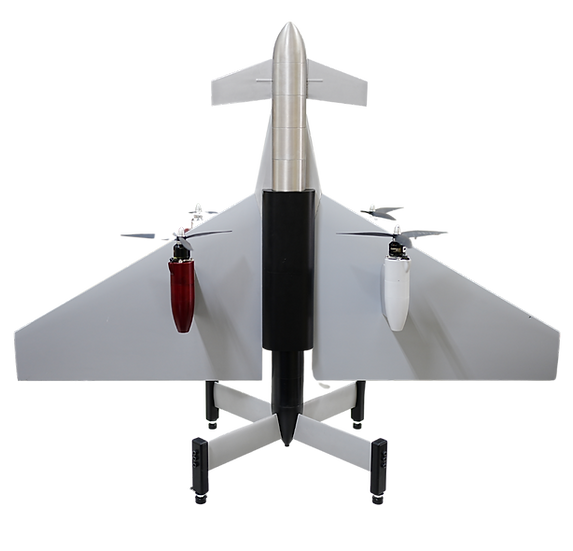
First to adopt all-magnesium alloy for airframes
Utilizing magnesium alloy die casting, EZ Pro Coat is capable of mass-producing up to 10,000 drone airframes per month.
Low-cost, high-volume production
Cost-effective with fast production turnaround.
Excellent heat dissipation due to metal properties